This guide was written by Phillip Powell, who has over 15 years of experience advising customers on hi-fi system building and optimisation at FutureShop. We stock a wide range of the products mentioned in this guide, from speaker stands and isolation products to cartridges and hi-fi furniture.
Our Verdict
The most overlooked hi-fi improvements are often the most rewarding. Proper speaker stands, isolation, cartridge upgrades, and careful setup can unlock performance that expensive component swaps often cannot, and at a fraction of the cost.
Quick Take
- Dedicated speaker stands improve focus, imaging, and bass control. Often the single most cost-effective upgrade available
- Isolation products reduce vibration interference in turntables, DACs, amplifiers, and streamers, resulting in a calmer, more detailed presentation
- A cartridge upgrade in a vinyl system can outperform changing the turntable itself, and is frequently overlooked
- An external phono stage often delivers more than spending the same money on other components, especially when matched to the cartridge
- In digital systems, power supplies, signal cables, and equipment placement can refine timing and detail without changing the system's character
- Revisiting setup costs nothing and rivals more expensive changes. Levelling, toe-in, and connection checks are often the best starting point
When people think about improving a hi-fi system, the focus usually falls on big-ticket items like speakers, amplifiers, or source components. While those upgrades can be transformative, some of the most satisfying improvements often come from smaller, less obvious changes. These are the upgrades that refine performance, remove hidden limitations, and help existing equipment deliver closer to its true potential.
This article looks at the hi-fi improvements many listeners overlook, and why they can make such a meaningful difference.
Proper Speaker Stands and Positioning
Speakers rarely perform at their best when placed directly on furniture or the floor without thought. Dedicated speaker stands do more than lift speakers to ear height. They provide stability, reduce unwanted resonance, and help control bass response.
Correct positioning can improve focus, stereo imaging, and tonal balance without changing any electronics. Even modest speakers often sound clearer and more confident once they are properly supported and positioned. This is one of the most cost-effective upgrades available, yet it is still frequently ignored.
Isolation for Sensitive Components
Vibration is one of the quiet enemies of sound quality. Turntables, DACs, streamers, and amplifiers can all be affected by mechanical and airborne vibration, especially in rooms with suspended floors or nearby speakers.
Isolation products such as feet, platforms, and supports help reduce this interference. The result is often a cleaner presentation, improved detail, and greater consistency. The changes may not shout for attention, but they often make music feel calmer, more natural, and easier to listen to over longer sessions.
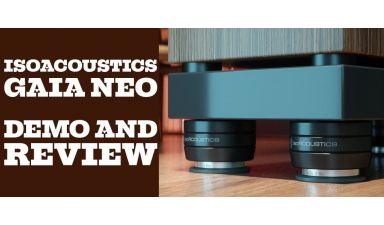
For a detailed look at speaker isolation in practice, our IsoAcoustics GAIA Neo review covers the difference isolation feet can make in a direct comparison test.
Cartridge Upgrades in Vinyl Systems
For vinyl listeners, the cartridge is one of the most influential components in the entire system. Many turntables are supplied with competent entry-level cartridges, but upgrading even slightly can unlock a noticeable step forward.
Improvements often include better tracking, lower surface noise, greater detail, and more expressive dynamics. A cartridge upgrade can sometimes have a bigger impact than changing the turntable itself, making it one of the most overlooked opportunities in analogue systems.
Phono Stages and System Balance
Built-in phono stages are convenient, but they are rarely optimised for performance. A dedicated external phono stage can improve clarity, noise levels, and tonal accuracy, especially when properly matched to the cartridge.
This is not always about spending more, but about achieving better balance. A well-chosen phono stage can help vinyl sound more open and controlled, and can reveal improvements you may already have paid for elsewhere in the system.
Digital Upgrades Beyond the Obvious
In digital systems, attention often goes straight to the streamer or DAC, but smaller supporting upgrades can also play a role. Better power supplies for low-voltage devices, improved signal cables, and thoughtful equipment placement can all contribute to a more stable and refined sound.
These changes rarely alter the character of the system dramatically, but they can improve timing, reduce glare, and enhance low-level detail. For listeners who already enjoy their system, these refinements often bring the greatest long-term satisfaction.
Our guide to whether mains power cables make a difference explores one aspect of this question in more detail.
Headphone Listening Refinements
Headphone users are not immune to overlooked upgrades. A dedicated headphone amplifier can offer better control and drive than built-in outputs, especially with higher-quality headphones. Likewise, a capable DAC can improve clarity and separation in digital playback.
Comfort and positioning also matter. Small changes such as better headphone supports, isolation from desk vibration, or even cable management can reduce noise and distraction, helping listeners stay immersed in the music.
Hi-Fi Furniture and System Layout
Hi-fi racks are often chosen for appearance first, but their role goes further. Good furniture supports equipment properly, manages vibration, and improves airflow. This can help components run more consistently and sound more composed.
A tidy, well-laid-out system also makes setup easier and encourages experimentation with placement and isolation. These practical benefits often translate into better sound, even though they are rarely considered part of an upgrade path.
Setup, Setup, Setup
One of the most overlooked improvements costs nothing at all. Checking connections, levelling turntables, revisiting speaker toe-in, and ensuring components are correctly supported can all make a noticeable difference.
Many systems underperform simply because they have not been revisited since installation. Spending time on setup can unlock gains that rival more expensive changes, and it forms the foundation for any future upgrades.
Where to Start: A Priority Guide by System Type
The upgrades above apply to most systems, but the order of priority differs significantly depending on what your system is built around. Rather than approaching a list of eight equally valid options, here is the priority sequence FutureShop recommends for each of the three most common system types.
Vinyl-focused systems (turntable, phono stage, integrated amplifier, standmount speakers):
- Setup first. Before any purchase, level the turntable, check azimuth, verify tracking force with a stylus gauge, and confirm the anti-skate setting. A correctly set-up entry-level cartridge outperforms a premium cartridge installed carelessly.
- Cartridge upgrade. If the turntable is already set up correctly and you are using the supplied entry-level stylus, this is the highest-leverage spending decision in a vinyl system. A step up in cartridge quality has a more direct effect on what you hear than any other single change in most analogue systems.
- External phono stage. Built-in phono stages in integrated amplifiers are typically the weakest link in the analogue chain. A dedicated external stage, properly loaded for your cartridge, is the next most productive investment.
- Speaker stands and isolation. If the speakers are standmounts on furniture, the upgrade to dedicated stands is the most immediately audible physical change. Isolation feet or platforms under the turntable should be added at the same time if the listening room has a suspended floor.
- Hi-fi rack. Once the core system is performing well, a quality rack consolidates the isolation and vibration-management benefits across all components.
Streaming-first systems (streamer/DAC, integrated amplifier, speakers):
- Setup first. Speaker toe-in, listening position, and cable tidying before any purchases. Many streaming systems sound congested because speakers are placed symmetrically against the room geometry rather than aimed at the listening position.
- Speaker stands (if using standmount speakers). For streaming systems, where the source quality is typically high and the amplifier clean, the speaker and its physical environment are often the first limiting factor. Stands address this directly.
- Mains power cable on the DAC or streamer. Digital components with sensitive clock circuits respond well to a quality mains cable. This is the point in a streaming system where a supporting upgrade has the most audible effect. See our mains power cables guide for guidance on where to start.
- Signal cable (interconnect) between DAC and amplifier. A quality RCA or XLR interconnect at this connection point is often more productive than upgrading the streamer itself. See our RCA vs XLR guide for the correct connection type for your amplifier.
- Isolation under the DAC or streamer. Once power and signal paths are addressed, isolation under the DAC is the next productive step in a streaming system.
Headphone-first systems (DAC, headphone amplifier, headphones):
- Setup and source quality. In headphone systems, the source is directly audible and the headphones reveal more of it than speakers typically do. Confirming that the streaming service or file format is at the highest available quality is the first step, as it costs nothing.
- Dedicated headphone amplifier. If headphones are being driven from the headphone output of a DAC or integrated amplifier not designed for the task, a dedicated headphone amplifier is the single most productive upgrade in a headphone system. The improvement in control, dynamic range, and noise floor is typically larger than any other change at the same price.
- DAC upgrade or external DAC. Once the amplification is adequate, the DAC is the next limiting factor in a headphone system. An external DAC connected to the headphone amplifier via an RCA interconnect consistently outperforms the built-in DAC on most integrated amplifiers and streamers.
- Isolation from desk vibration. Desktop headphone systems often sit near computer hardware, and the vibration from drives and fans can be more audible in headphone listening than in loudspeaker listening. Isolation feet under the DAC and amplifier address this without cost or complexity.
- Aftermarket headphone cable. A well-designed replacement cable for high-quality headphones can reduce microphonic noise and in some cases improve the connection integrity at the plug. This is the last step rather than the first: the benefit is more audible in a well-optimised system than in one where the amplifier or DAC remains the limiting factor.
Why Small Upgrades Matter
Small upgrades work best when the core system is already solid. They do not replace the need for good speakers or capable electronics, but they help everything work together more effectively. Rather than chasing constant change, these improvements reward careful listening and thoughtful system building.
For many listeners, they mark the point where a system stops sounding good and starts sounding convincing.
Final Thoughts
Hi-fi improvements do not always need to be dramatic or expensive to be worthwhile. Speaker stands, isolation, cartridge upgrades, and better setup often deliver gains that feel greater than their cost suggests. They also encourage a more holistic approach to system building, where every component and interaction matters.
If you are enjoying your system but feel something is being held back, these overlooked upgrades are often the best place to start.
FutureShop stocks a full range of speaker stands, isolation products, cartridges, phono stages, and hi-fi furniture. Not sure where to start with your system? Get in touch with our team. With over 15 years advising customers on system building and optimisation, we are happy to help.