Independent, expert-written guides on Hi-Fi cables, system setup, and getting the most from your audio investment — written by our in-house specialists since 2005.
The DELA C100 impressed us all round for its price, with a low noise floor and a fuller, deeper presentation than the brighter Chord C-Stream, and it has earned a permanent place on our streaming front end.
A listening-led review comparing the Tellurium Q Silver III Speaker Cable with the outgoing Silver II. The article explores build differences burn-in results and performance across classical vocal acoustic and electronic tracks to decide whether Silver III feels like a genuine upgrade.
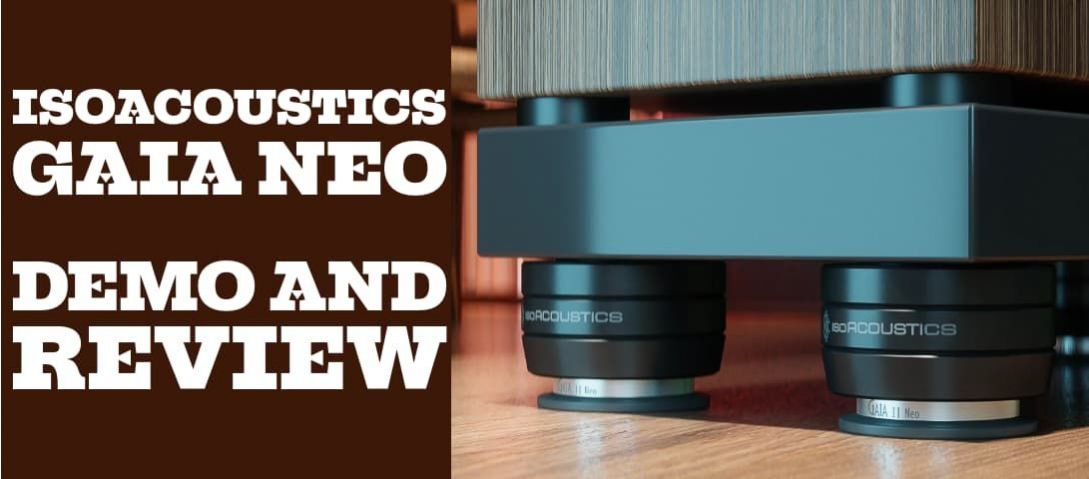
Can speaker isolation really transform how your system sounds? In this hands-on session with IsoAcoustics, we put the new GAIA Neo isolation feet head-to-head with the long-standing GAIA originals to find out.
Using a controlled A/B setup with identical speakers, amplification and cabling, the differences quickly became clear. The GAIA Neo introduces a refined internal design using higher-density Sorbothane, alongside practical upgrades such as easier height adjustment and integrated installation. But the real story is in the listening.
Across a range of music, the Neo consistently delivered tighter, more controlled bass, improved clarity and a greater sense of space. The original GAIA, however, still held appeal with a fuller, more immediate presentation that some may prefer depending on system balance and taste.
This comparison highlights an important truth in hi-fi: better isolation doesn’t remove bass, it refines it. By reducing resonance and frequency masking, the GAIA Neo reveals more detail and precision in your system.
If you’re considering upgrading your speaker isolation, this is a change you’ll hear immediately.
A visit to HiFiSound in Stockton-on-Tees reveals a hi-fi store unlike any other. Located inside a converted riverside spice mill, the space blends boutique-hotel atmosphere with decades of audio history, rare vinyl, vintage equipment and a working turntable museum.
Hosted by Simon and Jane, the Future Shop team explored the listening rooms, admired the growing collection of classic record players and caught up with Decent Audio, the UK distributor for Van den Hul cables. Alongside the main showroom, the team also discovered 2NDHANDHIFI, HiFiSound’s thriving part-exchange and vintage restoration project.
Part shop, part museum and part enthusiast’s playground, HiFiSound reflects the same passion for music and audio performance that drives the hi-fi community.
Atlas, QED, and Chord Company are three of the most respected British speaker cable brands. Each takes a different engineering approach and appeals to a different type of listener. Here is how they compare.
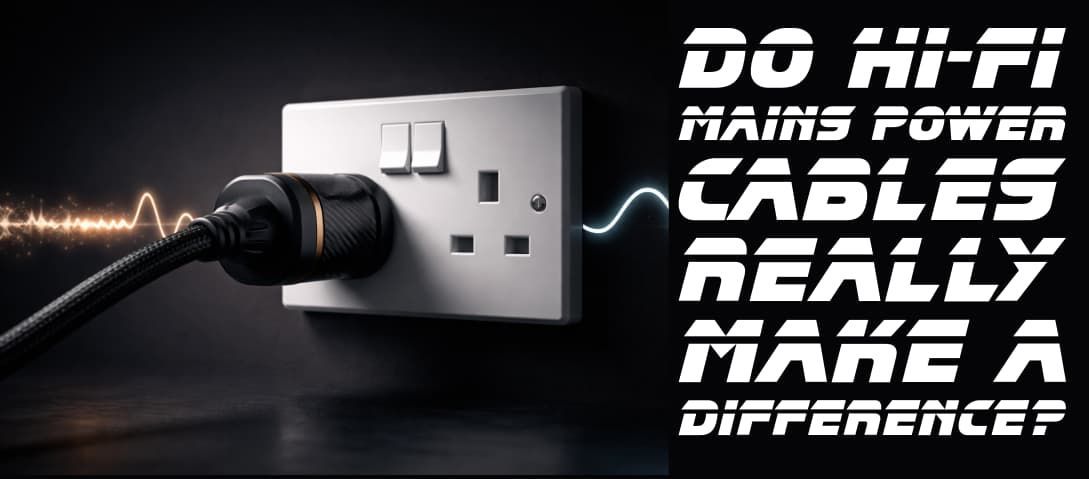
Few topics in hi-fi generate more heat and less light than mains power cables. Critics argue that a cable carrying 50Hz AC current cannot possibly affect the sound of audio equipment. Believers insist the improvements are among the most significant they have experienced. Both sides frequently talk past each other. This article tries to cut through the noise and give you a clear, honest picture of what is actually happening and when a mains cable upgrade is genuinely worth considering.
Most speaker cables are made of copper. Some use silver. Van den Hul uses carbon. It is an unusual choice, and one that prompts a fair amount of scepticism from people encountering it for the first time. Can carbon really work as well as copper in a speaker cable? And if so, why do so few other manufacturers use it? Here is a clear-headed look at both materials and what the evidence suggests.
Few debates in the home cinema world are as persistent as this one. Spend five minutes on any AV forum and you will find passionate arguments on both sides. Some say a cheap HDMI cable performs identically to an expensive one. Others swear by premium cables. The truth, as usual, is more nuanced than either camp admits.
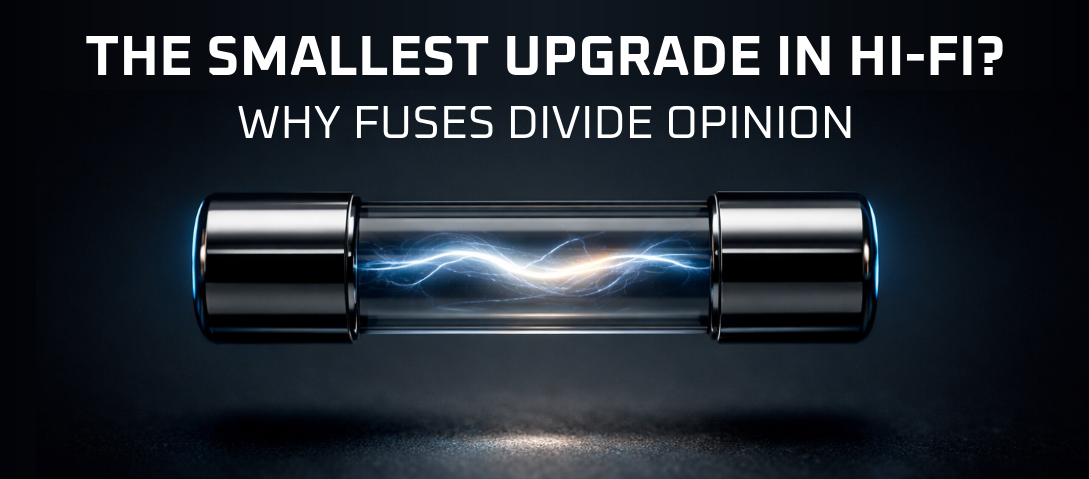
Hi-fi fuses remain one of audio’s most debated upgrades. We explore why they divide opinion, how they sit within the power chain, when they can make a meaningful difference, and how to approach fuse upgrades sensibly within a well-optimised system.
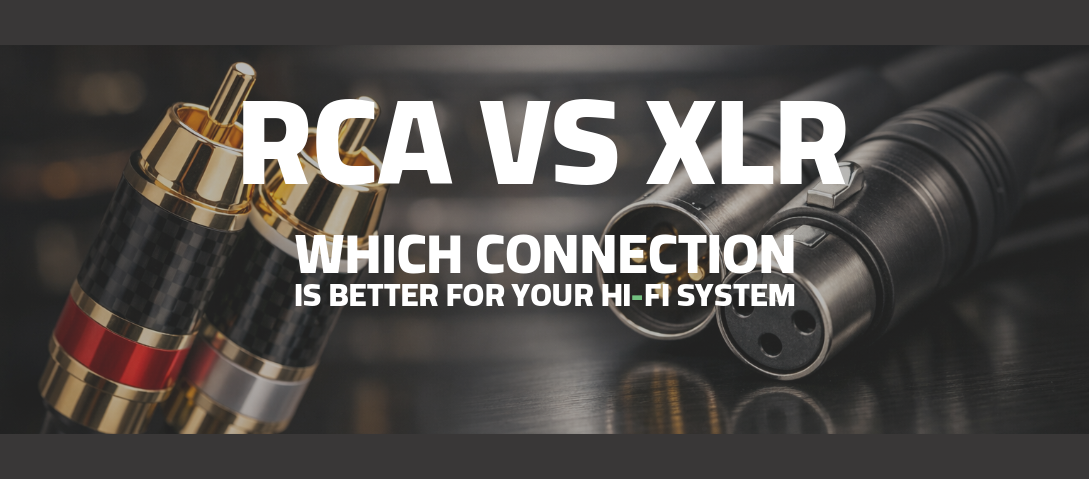
Should you use RCA or XLR in your hi-fi system? We break down the real differences between balanced and unbalanced connections, when each makes sense, and how system design affects performance. A clear, practical guide to choosing the right interconnect for your setup.
Not every meaningful hi-fi upgrade involves replacing major components. Many systems are held back by small, easily missed details that quietly limit performance. This article explores the subtle improvements that can deliver noticeable gains, including speaker stands, isolation, cartridge upgrades, digital refinements, and better system setup. Ideal for listeners who already enjoy their system but want to hear more clarity, control, and realism without starting from scratch.
Every year, thousands of customers turn to reviews to help guide their hi-fi upgrade decisions. In 2025, a clear pattern emerged. Certain products were not only chosen again and again, but were consistently rated at the very top by real users living with them day to day.
This article highlights the five most reviewed products of 2025, ranked using a blended approach that considers both the number of reviews and the average customer rating. The result is a list that reflects genuine ownership experience rather than short-term hype.
Our visit to Loud & Clear in Leith was an encounter with both the science and the soul of music reproduction. Guided by John Carroll, we stepped into his purpose-built listening space — a floating room shaped by unusual dimensions, layered wall materials, angled surfaces, timber diffusers and strategically placed acoustic treatments. Even Coco the Pointer had a role, softening reflections simply by existing in the space. This controlled environment set the stage for an in-depth tour through Nordost’s approach to power and signal delivery.
Our journey to Kilmarnock offered a rare look at how Atlas approach cable design, production and performance testing at their Scottish home. From the moment we arrived, greeted with personalised, laser-etched hip flasks, it was clear that precision and pride run through everything they do. The team walked us through the full process: conductor selection, dielectric control, screening, cold-welded connectors and why consistency underpins the entire Atlas philosophy.
WiiM invited a small group of UK audio experts - including us - to Ascot for an early preview of what’s next in their rapidly growing ecosystem. Although the brand is still young compared with household names like Sonos and Bluesound, their core strength is software. Built by the LinkPlay Technology team, it’s this platform that powers the smooth, reliable streaming experience WiiM has become known for.
The event highlighted how far the brand has come, and more importantly, where they’re heading. While they’re keeping some future releases under tight wraps, we were able to experience the first entries into their speaker and subwoofer range.
This final article brings the entire Upgrading Your Hi-Fi System series together in one convenient place. It gives readers a clear overview of each part of the upgrade path, from improving the source and amplifier to refining speakers, power, cabling, vibration control and room acoustics. Each section is summarised so readers can quickly understand the purpose of every upgrade area and decide where to focus next.
The guide explains how each stage builds upon the previous one, showing how improvements start at the source and travel through the entire chain. It highlights the importance of clean power, stable grounding, strong connectivity and a well-controlled listening environment. The summary article also helps readers decide whether to follow the series step-by-step or jump directly to the areas most relevant to their system.
Part 8 brings together smaller upgrades that enhance system stability and long-term performance. The article covers contact cleaning, anti-static care, noise reduction accessories, burn-in services and basic maintenance. Readers learn how oxidation, static and electrical noise can gradually reduce clarity and impact dynamic expression. Each improvement is explained in practical terms so that listeners know exactly what benefit to expect. The guide also encourages regular system checks, helping users maintain clean connections and stable power. The article finishes by showing how these finishing touches bring a system closer to its full potential, adding extra refinement, openness and consistency to everyday listening.
Part 7 focuses on the space itself, explaining how a room influences every part of the listening experience. The article discusses reflections, standing waves, hard surfaces and room shape, showing how these factors impact bass balance, clarity and imaging. Acoustic treatment is introduced in clear terms, covering absorption, diffusion and bass control. The guide explains how each type of treatment works and where it should be placed for best results. It also covers speaker positioning, listening distance and seating arrangement, helping readers achieve a more balanced presentation without guesswork. Environmental factors such as soft furnishings, flooring and lighting are also considered, giving readers easy ways to improve comfort and acoustics. By the end, listeners will understand how to shape their room into an environment that supports natural, engaging sound that feels open and controlled.
Part 6 explores how physical movement affects electronic components and how vibration control improves clarity, timing and low-level detail. The guide explains why components such as amplifiers, DACs and turntables benefit from stable support. It covers racks, platforms, isolation feet and damping accessories, outlining the role each plays in minimising unwanted resonance. The article also highlights how floor type, furniture construction and component placement influence vibration transfer. Readers learn how better support reduces smearing, enhances focus and improves the overall sense of space. Practical examples show how to choose suitable isolation depending on component weight and design. By the end, listeners will understand how vibration management contributes to a cleaner, more controlled system where each component can operate without interference.
Part 5 looks at how signal travels between components and why cable quality matters. The article covers digital interconnects, analogue connections, HDMI links, USB cables and network cables. It explains how timing errors, electrical noise and poor shielding can affect clarity and coherence. Readers learn how choosing the right cable for the right function helps the system deliver a stable, undisturbed signal from one stage to the next. The guide also touches on cable routing, separation and dressing, showing how small setup adjustments reduce interference. Different cable types are clearly explained so readers understand their purpose and the improvements they offer. With practical examples and upgrade suggestions, the article gives listeners confidence when selecting new cables without confusion or marketing overload. By the end, readers will appreciate how improved connectivity strengthens the entire chain and supports a more open, detailed and balanced listening experience.


 Stevyn Durham
·
11 September 2026
·
9 min read
Stevyn Durham
·
11 September 2026
·
9 min read