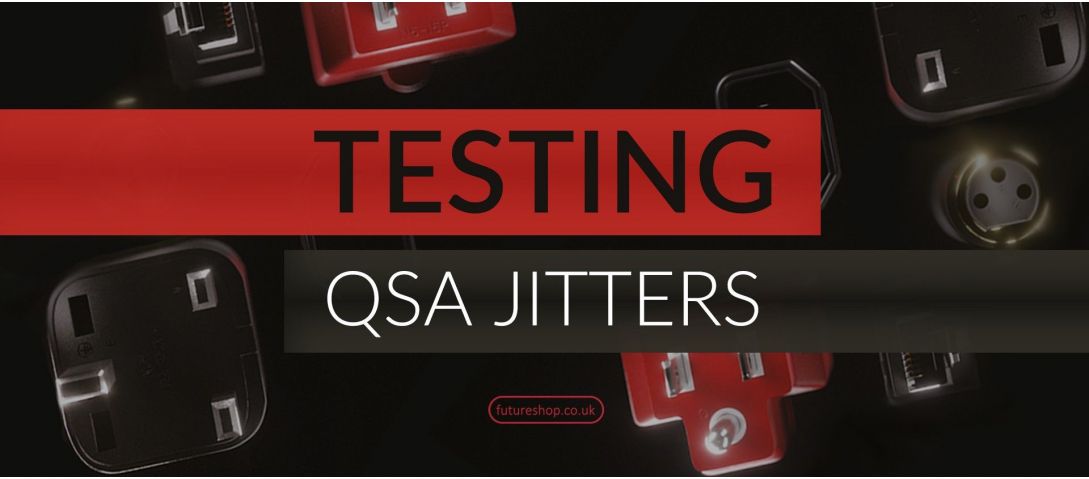
FutureShop is an authorised dealer for Quantum Science Audio (QSA), stocking the full Jitter range across all four types and multiple colour tiers. This review was conducted on our in-house reference system: Ayre V-5 power amplifier, Ayre K-5 pre-amplifier, and B&W 800 series speakers.
Our Verdict
The QSA Power Jitter produced the single largest improvement in our test, lifting a veil from the music and smoothing Olivia Dean's vocals in a way that was immediately and consistently audible on our B&W 800 series reference system. The IEC Jitter added a worthwhile further step once power was already addressed. The XLR Jitters are best deployed on source components rather than between pre and power amplifiers. Start with the Power Jitter, address the power chain, then consider the signal path.
Quick Take
- QSA Jitters come in four types: Power Jitter (3-pin UK plug adaptor), IEC Jitter (IEC end of power cables), LAN Jitter (Ethernet), and XLR Jitter (balanced interconnects). Each applies QSA's MMMAT treatment to a specific connection point in your system.
- The Power Jitter is the highest-gain entry point. In our test it produced a clearly audible improvement on its own, making it the natural first purchase. The IEC Jitter is a complementary second step once the power chain is already treated.
- XLR Jitters are most effective on source components (DAC output, phono stage, streamer) rather than between pre and power amplifier. Keeping noise out of the amplifier chain at source is the correct approach.
- Jitters require burn-in: allow at least 50 hours before a final assessment. Higher tiers require longer. Initial listening may include some harshness or glare that settles with use.
- Jitters do not void component warranties and cannot blow. They are functionally pass-through adaptors that apply QSA's treatment externally, making them lower-risk than an internal fuse upgrade.
- Each Jitter type is available in multiple colour tiers (Violet through Silver), each representing a longer treatment time and a higher level of performance. See the tier guide below.
Transforming Audio Experience: QSA's Magical Touch
Introduction to QSA's Alchemical Audio Upgrades
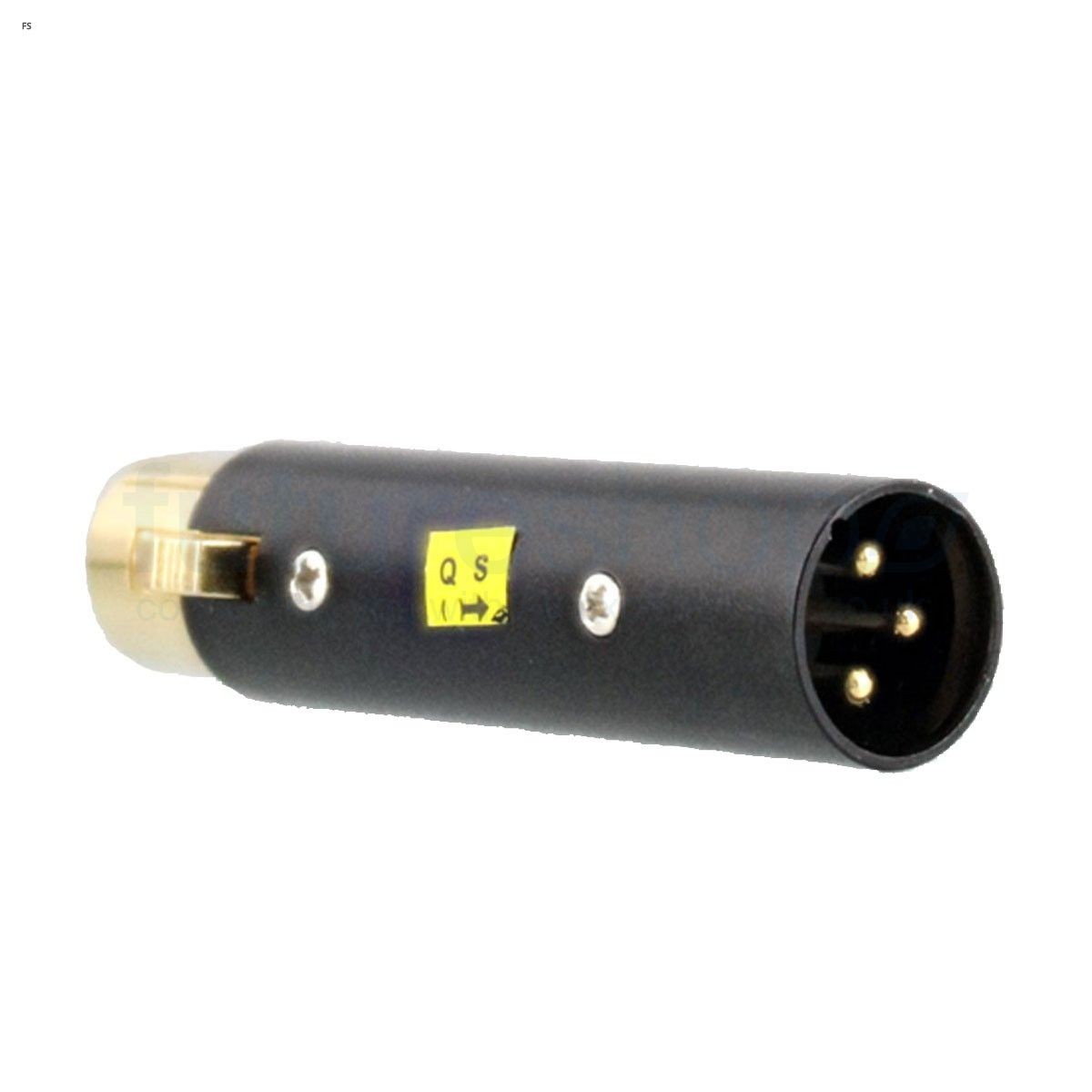
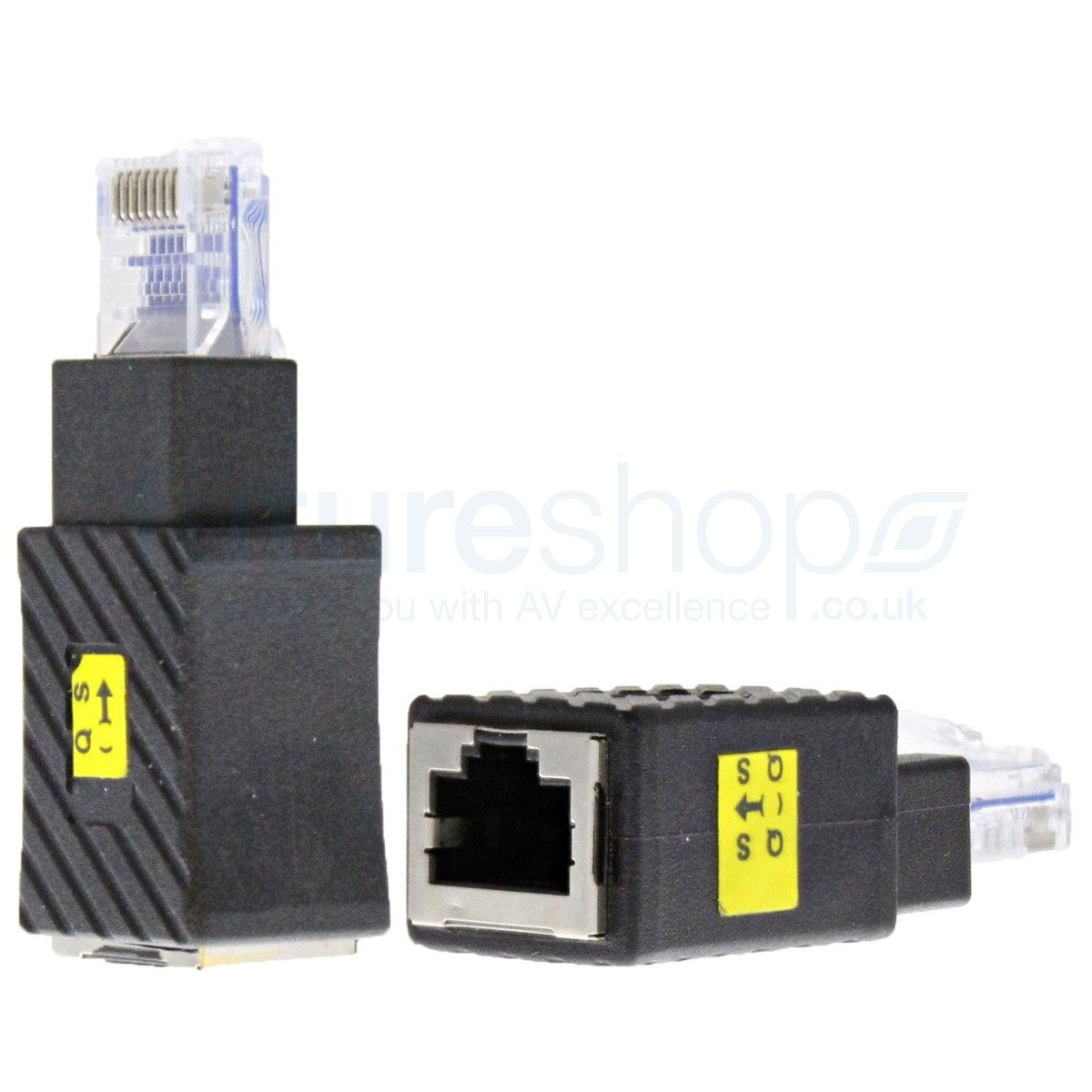
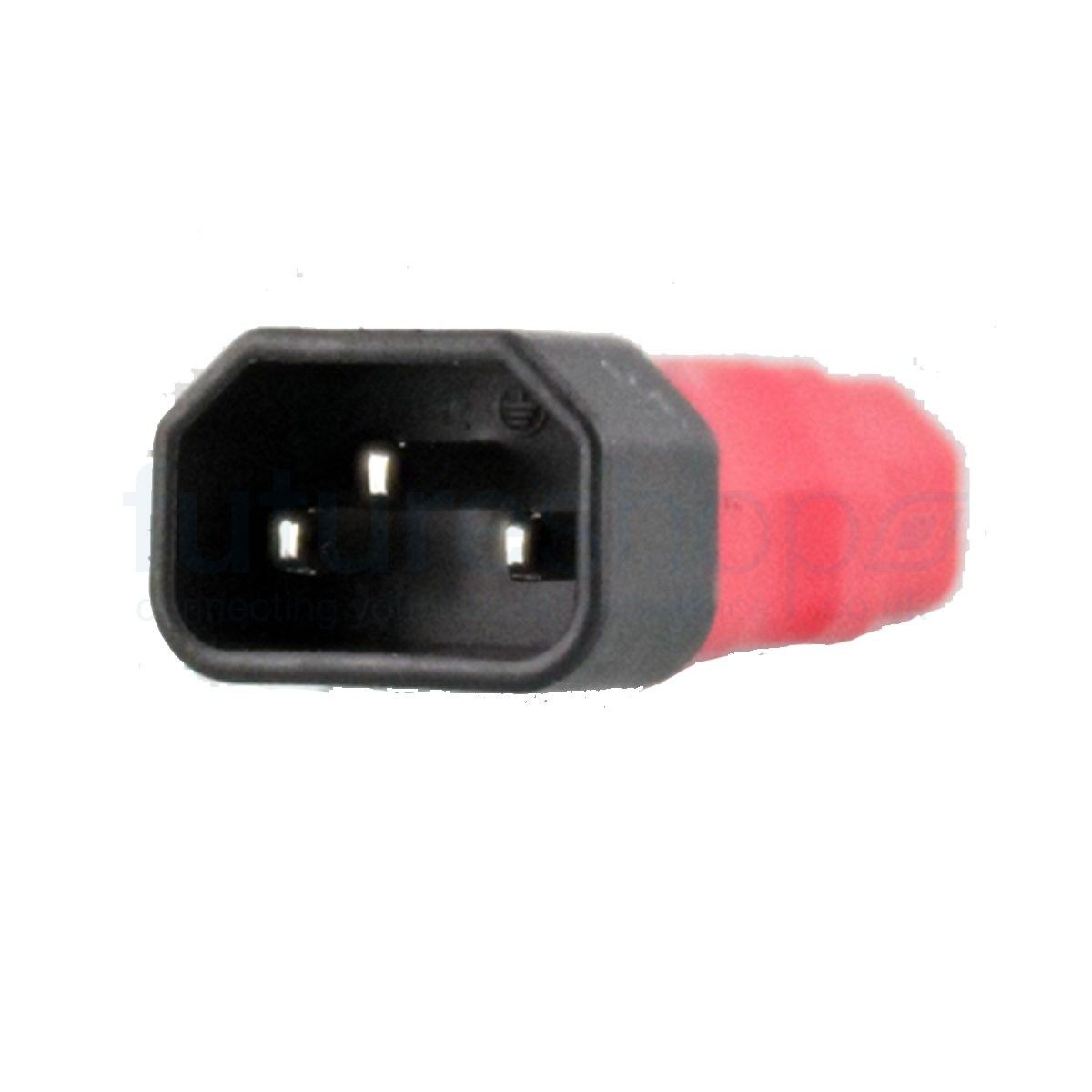
The alchemy Quantum Science Audio treats its popular collection of fuses with now runs into a broader range of audio-enhancing widgets. We now have Power Jitters – rather practical 3-pin plug adaptors; IEC Jitters – for the other end of power cables; LAN Jitters – for the Ethernet; and, now, XLR Jitters – for pro-level interconnects.
So what is it that turns the ordinary Bussmann fuse and pedestrian plug adaptor into aural Arcadia?
The Mystery of QSA's Treatment Method
We are not told. Rumour tells of a company of nymphs singing into their fuses, thus imparting them with magic, then sprinkling them with secret dust that neither man nor beast may hear. They call it Musical Metal Molecule Alignment Technology (MMMAT).
Nonetheless, the prices being asked for these curious items reflect the time spent under QSA's enigmatic treatment – the longer the nymphs sing, the more worth bears the fuse. Time is precious.
Experiencing the Magic: Testing QSA's Audio Upgrades
Hearing is believing in magic, and that's precisely what we did. With so many combinations of QSA products, we stuck with one test track – Olivia Dean's, No Man.
First up was the Power Jitter. Right from the song's opening reverse drips echoing from our B&W 800 series speakers, we heard a veil lifted from the music, Olivia's vocals much smoother, and the strings and synthesised bass exhibited their texture.
Adding the IEC Jitter to the same cable brought the music up a notch, though not the giant leap made by the Power Jitter alone – more of a clincher for when the rest of the power train has been addressed (the pair probably exceed the effect of a single mains fuse, by a touch).
Finally, we added a pair of gold-plated XLR Jitters between the pre and power amp. With power already addressed, their effect was incremental, so the XLRs are best used on source components to keep noise from being fed into your amplifiers.
Optimising Audio with Strategic Product Placement
It's worth noting that earlier in the chain is better with these upgrades, and power amps tend to respond more enthusiastically to power-related upgrades.
Where to Start: A Practical QSA Jitter Guide
The review above establishes what these products do and the order in which we found them most effective. This section answers the questions we hear most often from customers: where to start, what to prioritise, and how to navigate the colour tier system.
Priority order: power before signal
Every QSA Jitter targets a different connection point in your system. Our test confirmed the hierarchy that QSA's own placement guidance supports: treat the power chain first, then address the signal path.
| Jitter type | Where it goes | Priority | Our finding |
|---|---|---|---|
| Power Jitter | UK 3-pin plug on the wall end of any power cable | First. Highest audible gain per pound in our test. | "A veil lifted from the music." Immediately audible on the reference system. Start here, start on the amplifier or power distributor. |
| IEC Jitter | IEC C13/C7 end of power cables (component end) | Second. Meaningful step once Power Jitter is in place. | "The music up a notch." Not as dramatic as the Power Jitter alone, but a clear clincher when power is already treated. The pair together likely exceed a single internal fuse upgrade. |
| LAN Jitter | Ethernet port on streamer, switch, or router | Third. Best after power is addressed. | Not individually tested in this review. Apply QSA's placement principle: closest to the streamer is most effective. Pairs naturally with a quality Ethernet cable on the output side. |
| XLR Jitter | XLR balanced interconnect connections | Fourth. Use on source components, not between pre and power. | Incremental when power is already clean. Apply to DAC output or phono stage XLR output to keep noise out of the signal chain at source. Not recommended between pre and power amplifier as primary placement. |
Navigating the colour tiers
Each Jitter type is available in multiple colour tiers, each representing a longer MMMAT treatment time and a higher performance level. The article's own framing is accurate: the longer the nymphs sing, the more worth bears the product. The tiers below use confirmed pricing from FutureShop's stock as price anchors. Start at the entry tier unless your system is already at a high level and you have already heard what a lower tier does.
| Tier | IEC Jitter price | XLR / LAN Jitter price | Power Jitter (UK) price | Character |
|---|---|---|---|---|
| Violet | From £216 | From £216 | From £320 | Entry tier. More detail in the music. The natural first step, especially if new to QSA. |
| Organic-Red | From £550 | From £550 | From £850 | Superior layering of instruments and deeper integration of audio elements. Greater dynamic range and clarity. |
| Yellow (reviewed here) | Contact us | Contact us | From £2,300 | The tier tested in this review. Presence, vibrancy, and clarity at the high end of the Jitter range. |
| Silver | From £1,583 | From £1,583 | From £2,300 | Open, spacious sound with wider frequency range and more dynamic power. Reference tier for systems at the highest level. |
Burn-in note: Allow at least 50 hours before a final assessment of any Jitter tier. Higher tiers require longer. Some initial harshness or glare is normal during the break-in period and resolves with use.
Conclusion: Anticipating Future Innovations from QSA
And then . . . we took them all away and listened to Olivia again. Still No Man, but lots of noise!
Whatever QSA has planned next, we're sure it's just a matter of time before they offer to impart their alchemic treatment to our very ears.
If you are new to QSA and want to understand how their fuse treatments complement the Jitter range on the power cable itself, our Merlin Tarantula MK6 QSA Edition review covers the QSA Black fuse as fitted inside a power cable on a mid-level system. And if you are considering what power distribution the Jitters are plugging into, our Chord PowerHAUS S6 review covers passive power distribution without filtering on the same B&W 800 series reference system.
The full QSA Jitter range is available now at FutureShop, including the Power Jitter, IEC Jitter, LAN Jitter, and XLR Jitter across multiple colour tiers. The QSA fuse range is also available as a complementary internal upgrade. Not sure which tier or type to start with? Get in touch with our team for free expert advice.