Dela Summer Promotion
-
 NEW
NEWDELA/Melco
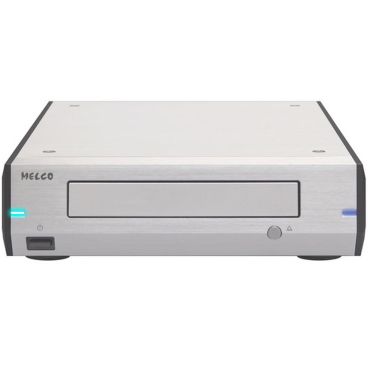
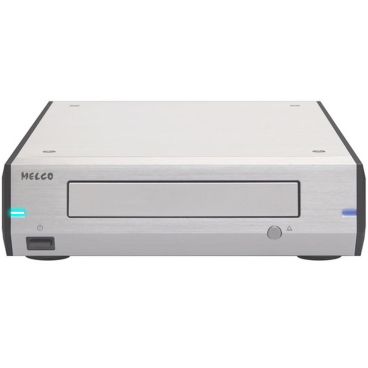
DELA D100 CD Ripper with Free NuPrime Power Supply Upgrade - Summer PromotionSKU: D100 NuPrime Summer Promo
£999.17Ex. VATThe DELA D100 CD Ripper now comes with a NuPrime power supply upgrade included, for archival-quality CD ripping into any brand of digital music storage or computer. -
NEW
DELA/Melco
DELA D100 CD Ripper with Plixir BDC Stack - Summer PromotionSKU: D100 PLiXiR Summer Promo
£1,583.33 £2,457.50Ex. VAT ✓ Save £874.17The DELA D100 CD Ripper bundled with a Plixir BDC Stack gives you archival-quality CD ripping alongside a dedicated power supply upgrade, for use with any brand of digital music storage or computer. -
NEW
DELA/Melco
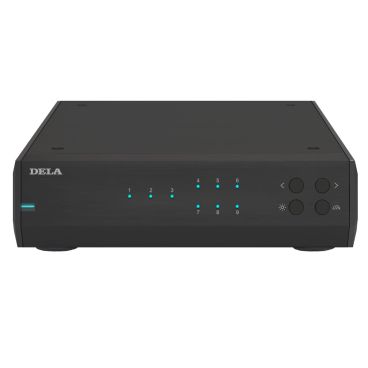
DELA S50 Audiophile Dataswitch with Free ADOT Optical Network Isolation - Summer PromotionSKU: DELA S50 ADOT Summer Promo
£2,749.17Ex. VATThe DELA S50 audiophile network dataswitch now comes with a free ADOT MC02 optical isolation kit, adding an optical break to the network path at no extra cost. -
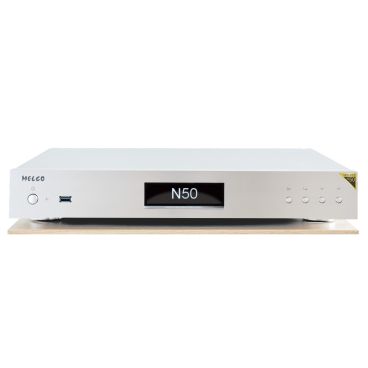 NEW£4,999.00Inc. VATBuy the Melco N50 digital music library and receive a DELA D100 CD Ripper free, pairing storage and CD ripping from a single purchase across the Melco and DELA range.
 -
 NEW
NEWDELA/Melco
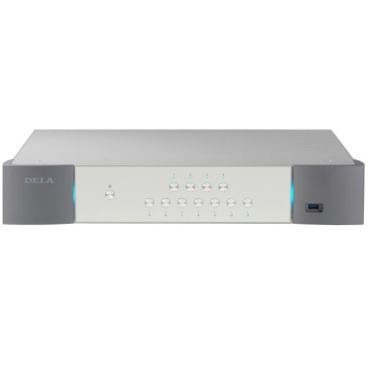
DELA S5 Audiophile Dataswitch with Free ADOT Optical Network Isolation - Summer PromotionSKU: DELA S5 ADOT Summer Promo
£6,665.83Ex. VATThe DELA S5 audiophile network dataswitch now comes with a free ADOT MC02 optical isolation kit, adding an optical break to the network path at no extra cost. -
 NEW
NEWDELA/Melco
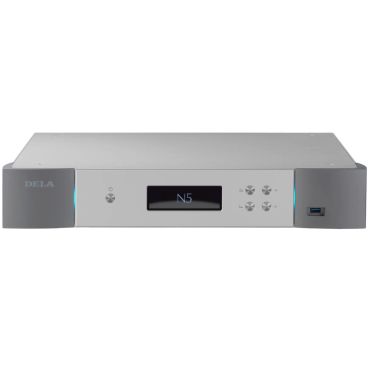
DELA N5 Music Library with Free D100 CD Ripper - Summer PromotionSKU: DELA N5 D100 Summer Promo
£7,999.00Inc. VATBuy the DELA N5 digital music library and receive a D100 CD Ripper free, giving you storage and CD ripping together from a single purchase. -
 NEW
NEWDELA/Melco
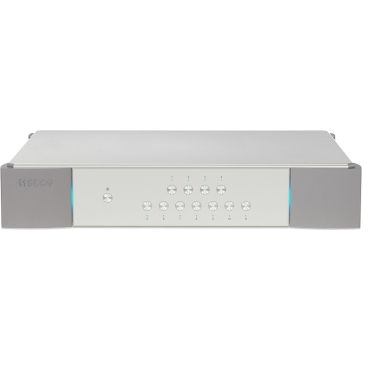
DELA S1 Audiophile Dataswitch with Free ADOT Optical Network Isolation - Summer PromotionSKU: DELA S1 ADOT Summer Promo
£10,832.50Ex. VATThe DELA S1 audiophile network dataswitch now comes with a free ADOT MC03 optical isolation kit and Plixir power supply, adding optical isolation and a power upgrade at no extra cost. -
 NEW
NEWDELA/Melco
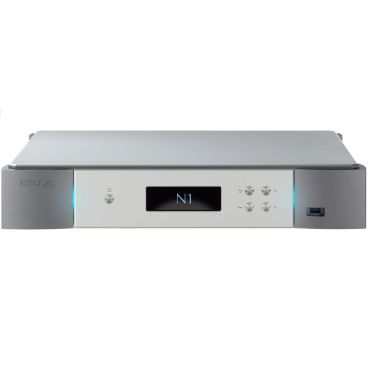
DELA N1 Music Library with Free D100 CD Ripper and Plixir Power Supply Upgrade - Summer PromotionSKU: Dela N1 D100 Summer Promo
£13,999.00Inc. VATBuy the DELA N1 digital music library and receive a D100 CD Ripper free, complete with a Plixir power supply upgrade included, for building and expanding your collection from a single unit.