Digital Audio
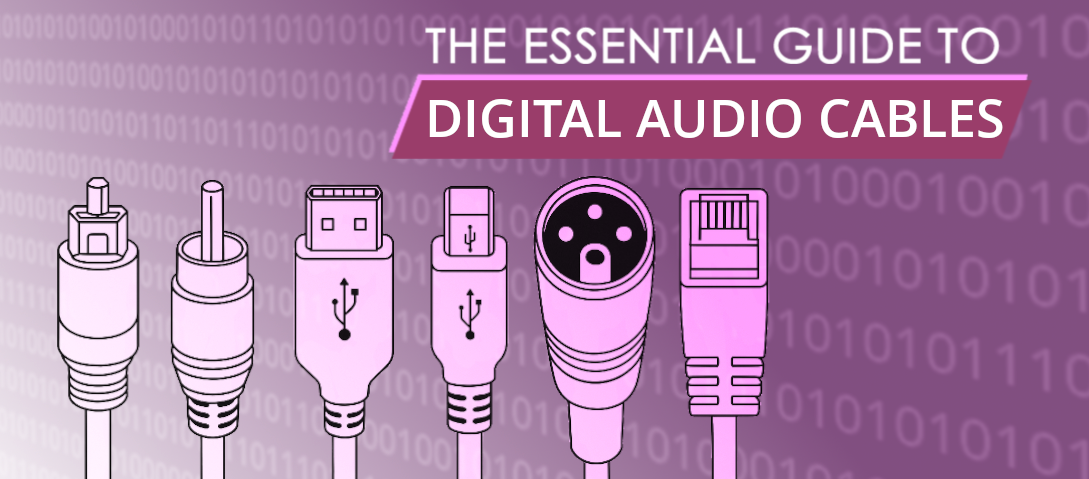
Optical TOSLINK, coaxial S/PDIF and AES/EBU cables for connecting CD transports, televisions, streamers and DACs.
Optical, coaxial or AES/EBU?
All three carry the same digital audio, and the right one is usually decided by the sockets on your equipment. Where you do have a choice, the differences come down to bandwidth, electrical isolation and impedance.
Optical TOSLINK passes light rather than electricity, so it breaks any earth connection between components. That makes it useful for televisions and for systems with a hum problem, at the cost of a bandwidth ceiling that limits it at higher sample rates. Coaxial S/PDIF handles higher rates and keeps a direct electrical link, which usually means better timing but also a shared earth path. AES/EBU on XLR is the balanced professional standard and appears on higher end transports and DACs.
Impedance matters here. Coaxial digital cable is 75 ohm and AES/EBU is 110 ohm, and using a standard analogue interconnect because the plug happens to fit will cause reflections and timing errors. Where your equipment gives you the choice, the practical test is to try both in your system, and the 60-day money-back guarantee makes that straightforward.
-

Atlas Cables
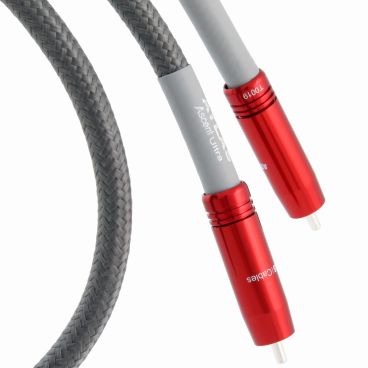
Atlas Ascent Ultra 75 Ohm S/PDIF Digital Audio CableSKU: Atlas Ascent S/PDIF
(10 reviews)From£244.50Inc. VATThe Atlas Ascent Ultra 75 Ohm SP-DIF digital cable is a superb cable which gives a considerable insight into the state-of-the-art performance of Atlas' ‘high-end’ Mavros interconnect at a very reasonable price. Ascent was designed to be technically and sonically superior to competing digital cables currently available at similar prices. -
Atlas Cables
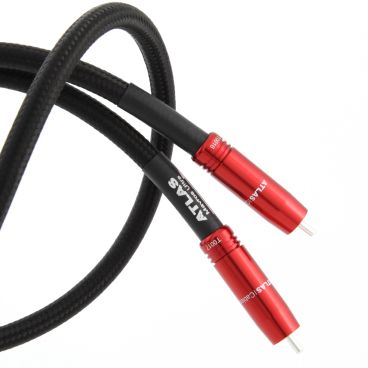
Atlas Mavros DD Ultra 75 Ohm S/PDIF Digital Audio CableSKU: Mavros DD S/PDIF
(2 reviews)From£558.33Ex. VATAtlas' new iteration of the Mavros Digital Audio Cable improves on previous models by using Ohno Continuous Cast Copper and incorporating their Dual Drain technology. These improvements deliver accuracy, bandwidth and openness over and above the previous Atlas Mavros Ultra Digital Audio cable.
-
Atlas Cables
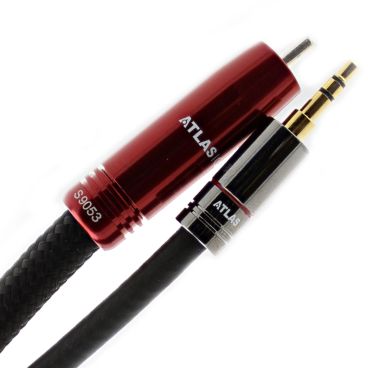
Atlas Mavros 75 Ohm 3.5mm Metik S/PDIF Digital Audio CableSKU: Mavros Metik S/PDIF
(1 reviews)From£368.75Ex. VATFollowing consistent customer demand, Atlas are delighted to announce that upgrade S/PDIF digital cables are now available for the popular Chord MOJO and others. 3.5mm jack plugs terminated in either RCA or BNC format are now available to transfer digital data in a more precise way.