Power Cables
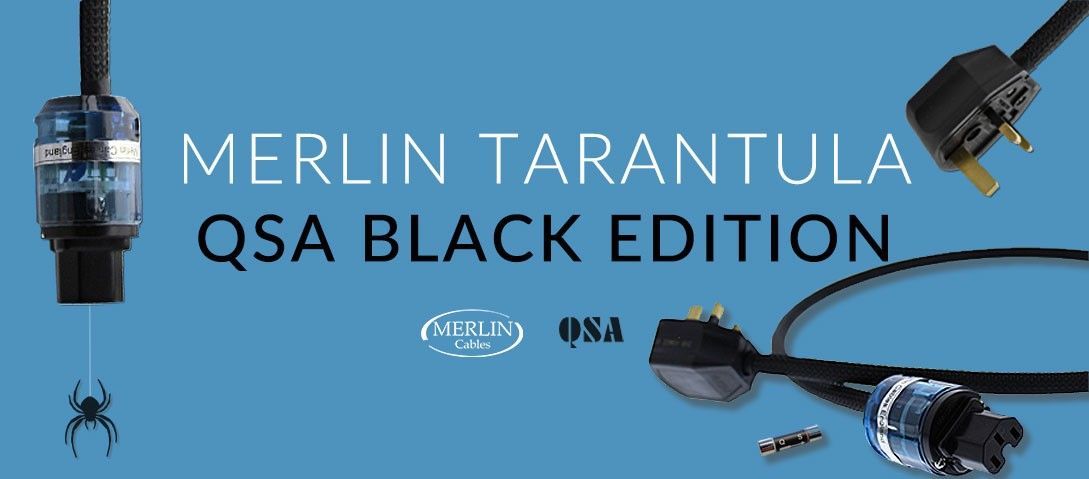
Mains leads in IEC C13, C15, C19 and Figure 8, with most available made to order in the length you need. Usually the first power upgrade people make.
Choosing a mains cable
Start with the connector. Your equipment takes one of four inlets. C13 is the standard kettle style socket, C15 is the notched high temperature version used by some amplifiers, C19 is the larger high current type on bigger power amplifiers, and Figure 8 is the small two pin fitting on lighter source components. The wrong one will not fit, so check the back of the unit before ordering.
Current capacity comes next. A power amplifier draws far more than a DAC or a streamer, and a cable designed for a source component can restrict a large amplifier on dynamic peaks. Where a manufacturer specifies a minimum, follow it.
On what to expect: changes here are usually described as a lower noise floor and better dynamic control rather than a shift in tonal balance, and they tend to be clearest on amplifiers and on digital sources with switching supplies. It is also the area of hi-fi where the gap between claim and result is widest, which is exactly why the 60-day money-back guarantee matters here. Put one on your amplifier and decide for yourself.
-
 SALEFrom£145.83 £172.92Ex. VAT ✓ Save £27.08
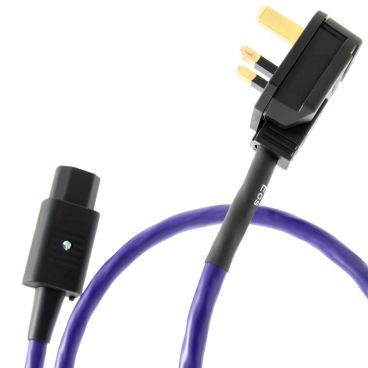
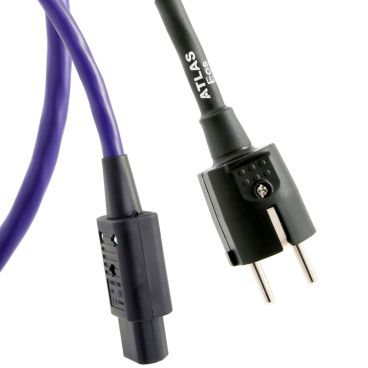
The Eos 1.5em Power Cable uses OFC conductors in a sophisticated fully screened configuration, implementing Atlas' ‘dd’ (dual drain) screening in an entry-level power cable for the first time.
-
SALEFrom£145.83 £172.92Ex. VAT ✓ Save £27.08
The Eos 1.5em Power Cable uses OFC conductors in a sophisticated fully screened configuration, implementing Atlas' ‘dd’ (dual drain) screening in an entry-level power cable for the first time.