
Waversa Systems
South Korean network audio manufacturer using its own FPGA-based processing and taking an unusually rigorous approach to network isolation within the system.
About Waversa Systems
Quick Access
Korean network audio, built on its own processing
Collin Shin founded Waversa in South Korea in 2012, after thirty years in IT and valve circuit design. The name blends wave and versatile. Waversa design their own chips, algorithms and hardware, and supply some of that technology to other manufacturers rather than keeping it in house.
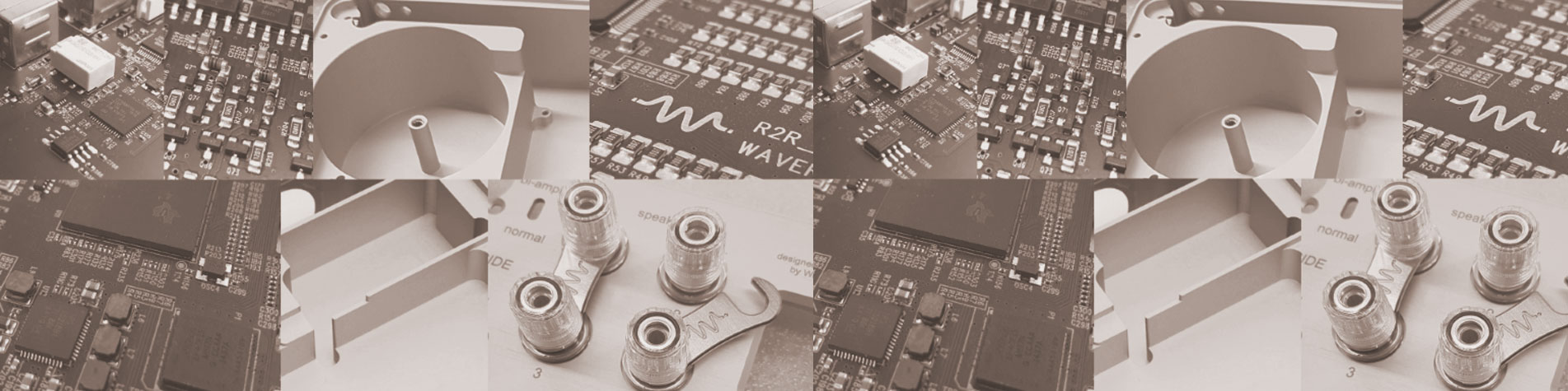
Two proprietary pieces define the range. WAP, the Waversa Audio Processor, is a multi-stage filter system handling upsampling and error correction on FPGA rather than a bought-in chip. WNDR, Waversa Network Direct Rendering, is a transport protocol written to avoid the noise that DLNA and UPnP introduce, and it lets Waversa devices find each other on a network automatically.
The network is the focus. Waversa treat it as a source of interference rather than a neutral pipe, and the range runs from streamers, DACs and amplifiers through to LAN isolators, Ethernet filters and linear power supplies, with patented noise reduction in the accessories.
This is specialist equipment built in small numbers. Worth working out how it fits an existing system before ordering.
-

Waversa Systems
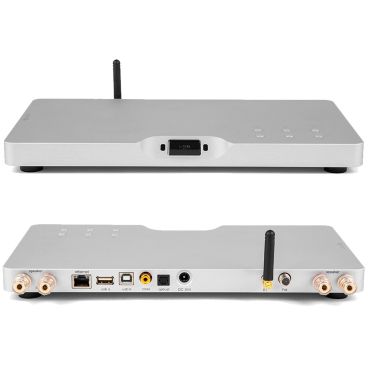
Waversa Systems WSlim LITE 2.0 Integrated Amplifier HubSKU: WSlim LITE Amplifier Hub
£1,658.33Ex. VATThe Waversa Systems WSlim LITE 2.0 Integrated Amplifier Hub is a compact yet powerful audio solution that combines versatility and performance. With 70W per channel, DLNA streaming, DAC capabilities, Airplay, Bluetooth Apt-X, and Roon Ready status, it offers a comprehensive suite of features in a sleek, MacBook Pro-sized chassis.
-
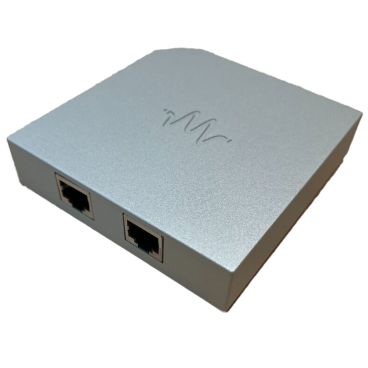
£750.00Ex. VAT
The Waversa Systems WLAN EXT2 LAN Isolator uses patented passive technology to significantly reduce RFI, EMI, and impulse noise, resulting in improved digital signal quality and enhanced audio and video performance. Its high-grade aluminium case, modular damping chambers, and ease of installation further boost its effectiveness, making it five times more performant than its predecessor, the EXT-1, while also speeding up streamer interaction.