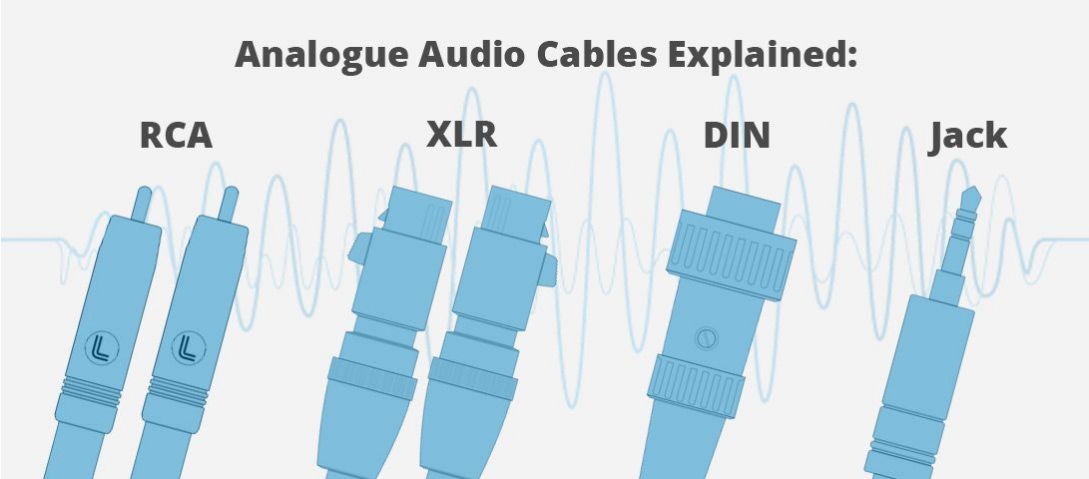
RCA Interconnects
The standard single-ended connection between sources and amplifiers. Available in stock lengths from 0.5m, or cut to any length you need at no extra cost.
Shop by Brand
Choosing an RCA interconnect
An RCA interconnect sits at the lowest signal level in the system, which is why differences between cables are often clearer here than further downstream. Shielding, dielectric and plug quality all have an audible effect, particularly in a resolving system.
Match the cable to the system rather than to the price list. On a modest system, a well made entry level cable removes obvious problems like hum and dullness, and further spending has diminishing returns. On a system with good speakers and a capable source, the step up through a manufacturer's range is usually clear and repeatable.
Buy the shortest length that reaches comfortably, and avoid coiling excess cable behind the rack. Keep interconnects off mains leads where possible, and cross rather than run parallel where they have to meet. If you are not sure whether a step up is worthwhile in your system, tell us what you are running and we will give you an honest answer.
-
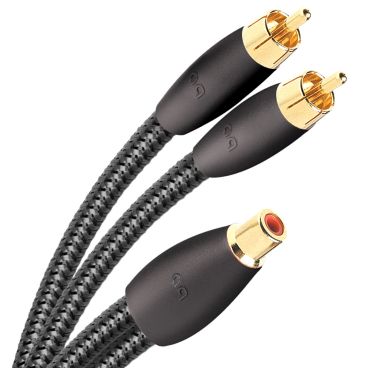
 £19.12Ex. VATAudioQuest FLX-X RCA Splitter RCA (Female) to 2 RCA (Male)
-
Atlas Cables
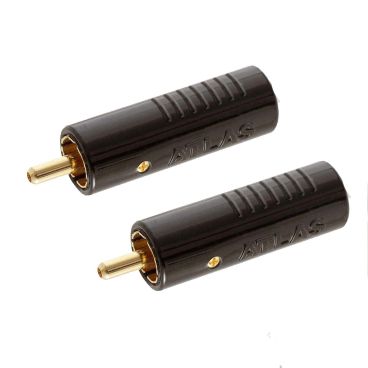
Atlas Achromatic RCA Input Terminator AIT x 4SKU: Atlas RCA Input Terminator AIT
(2 reviews)£83.33Ex. VATAtlas terminators are simple passive products that, by reducing the pathways to noise ingression or transmission, help reduce the noise burden in any system. -
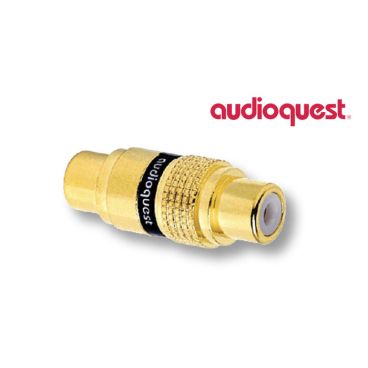
£9.96Ex. VATAudioQuest RCA (Female) to RCA (Female) Coupler
-
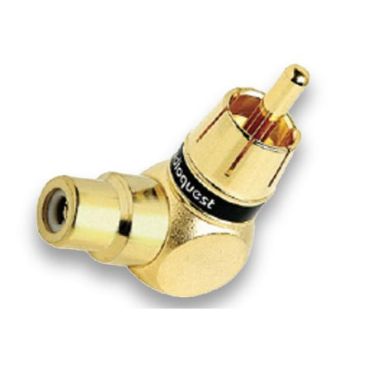 £9.96Ex. VATAudioQuest RCA (Female) to RCA (Male) 90° Adaptor
-
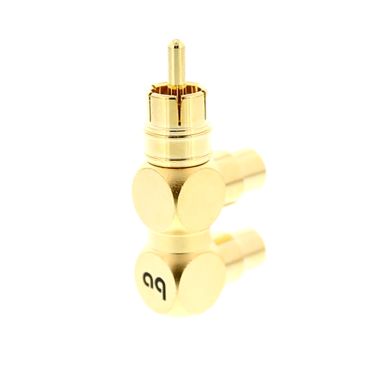 £16.62Ex. VATAudioQuest Hard RCA Splitter
-
 NEW
AudioQuest
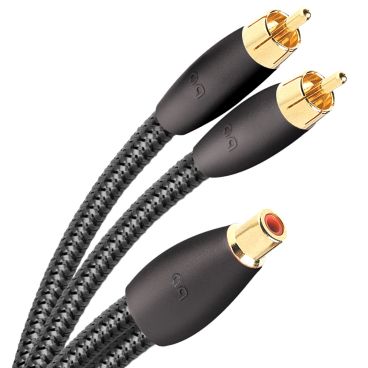
AudioQuest FLX-X RCA Splitter RCA (Female) to 2 RCA (Male) Ex DemoSKU: F22M-FLX-X Ex Demo
£15.30 £19.12Ex. VAT ✓ Save £3.83AudioQuest FLX-X RCA Splitter RCA (Female) to 2 RCA (Male)