Digital
USB, ethernet, optical, coaxial and AES/EBU cables for streaming and digital audio. The connections between computers, servers, streamers and DACs.
Shop by Type



Shop by Brand
Digital cable, and why it is not only data
A digital cable either delivers the data or it does not, but that is only half the story. Timing errors and electrical noise travel along the cable alongside the signal and arrive at the DAC, where both affect what comes out of the analogue stage. This is why digital cables can sound different from one another despite carrying identical data.
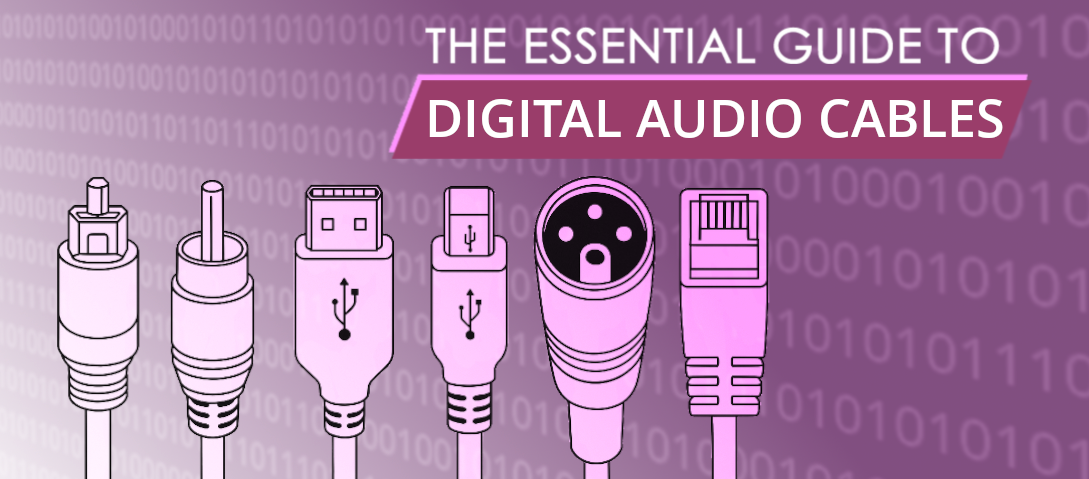
Choose by connection first. USB is the most common link from a computer or streamer to a DAC. Ethernet carries network audio and is the fastest growing area in digital hi-fi. Optical isolates two components electrically, which helps where noise is a problem, but has bandwidth limits at high sample rates. Coaxial S/PDIF generally handles higher rates and keeps a direct electrical connection. AES/EBU on XLR is the professional standard and appears on higher end transports and DACs.
Impedance is not optional on coaxial and AES/EBU, at 75 ohm and 110 ohm respectively, so a standard interconnect is not a substitute even though the plugs fit. Tell us the source, the DAC and the sample rates involved and we will tell you which connection to use.
-
 SALE£629.95 £900.00Inc. VAT ✓ Save £270.05
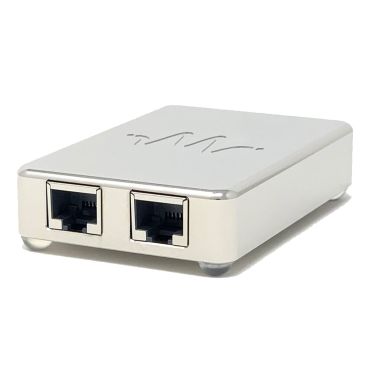
The Waversa Systems WLAN EXT1 LAN Isolator offers a cutting-edge solution to the pervasive problem of noise interference in digital audio systems. Designed to combat EMI, RFI, and impulse noise, this Level 1 performance device features patented passive filter technology housed within a high-grade nickel chassis.
-
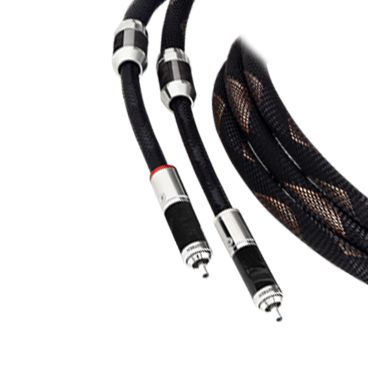
£2,329.17Ex. VATDiscover enhanced audio clarity with the Furutech Project V1-D digital interconnect cable. Featuring α(Alpha) silver-coated OCC conductors, Nano Crystal² Formula (NCF) technology, and advanced multi-layer shielding, this cable ensures pristine signal purity and improved noise reduction.
-
£500.00Ex. VAT
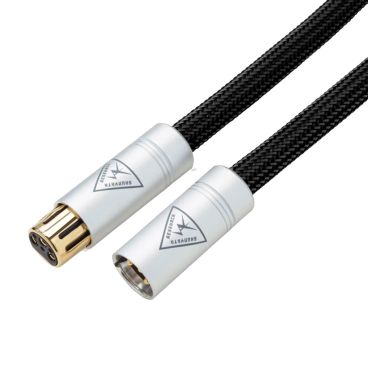
The Shunyata Research Theta AES/EBU Digital Audio Cable features advanced technology including Ohno copper conductors, fluorocarbon dielectrics, and proprietary Kinetic Phase Inversion Process (KPIPv2TM), resulting in unparalleled signal resolution and sound quality. Its custom-designed connectors and cold-soldered terminals elevate performance, providing a coherent, noise-free listening experience with explosive dynamics and pitch-perfect frequency extension, even when compared to more expensive cables.